


Not Doing Homework: Practical Strategies Every Singapore Parent Needs


It is 7pm, homework is not done, and you are already ten minutes into an argument. Your child refuses to sit down, insists they do not understand anything, or simply melts down at the kitchen table the moment a school assignment appears. If this sounds familiar, you are dealing with one of the most common and draining challenges of primary school parenting.
Not doing homework is rarely about laziness. It is more often a signal that something else is going on — anxiety, tiredness, frustration, or a simple lack of structure. Understanding what is driving the resistance is the first step to fixing it.
In this guide, you will find practical, research-backed strategies to help when your child refuses to do homework — from setting up the right environment to handling power struggles calmly and building long-term motivation that actually works.
Why Children Resist Doing Homework
Before you can solve the problem, it helps to understand it. Not doing homework is rarely a simple act of defiance. In most cases, your child is communicating something they cannot yet put into words.
Tiredness and overstimulation:
After a full school day, many children have used up their focus. Sitting down to more work feels genuinely impossible — not deliberately difficult.
Anxiety about getting it wrong:
Some children avoid a school assignment because they are afraid of making mistakes. The refusal is a way of protecting themselves from that feeling.
Lack of understanding:
If your child does not understand the work, resistance can look like laziness. But underneath it is often confusion and embarrassment.
The homework doesn't feel meaningful:
Young children struggle to connect schoolwork to any long-term goal. Without that connection, it can be hard to find any reason to do it.
Screen time and video games competing for attention:
When video games or other activities are available immediately after school, homework faces stiff competition.
Once you understand why your child is resisting, the strategies below will be far easier to apply consistently. The environment your child does homework in matters just as much as the strategies you use.

Tips for Setting up a Homework-Friendly Space
One of the most underestimated factors in not doing homework is the environment. The physical space and the timing of homework time can either help your child settle in — or make the whole experience harder than it needs to be.
Use a consistent spot:
Whether it is the kitchen table, a desk, or a quiet corner, working in the same place each day builds a routine. The brain begins to associate that space with focus.
Remove distractions:
No video games, no TV, and no phones within reach. If other family members are around, keep noise levels low during homework time.
Have materials ready:
Pencils, erasers, and any needed books or notes should already be at the table. Searching for supplies wastes time and energy that your child needs for thinking.
Set a regular time:
Pick a time that works best for your child. Some children focus better immediately after a short break and snack; others do better after dinner. Experiment to find what works for your child.
A brief transition routine also helps. Let your child have 15 minutes of downtime after school — a snack, some free play — before sitting down. This allows the brain to decompress before switching back into learning mode. Once the environment is in place, the real challenge is what to do when the refusal still happens.
What to Do When Your Child Refuses to Do Homework
Even with the right setup, there will be days when your child won't cooperate. Knowing how to respond to active refusal without turning it into a power struggle is one of the most important skills a parent can develop during the school year.
Step 1: Stay calm and avoid the power struggle
When a child refuses to do homework, the worst thing you can do is escalate. Shouting, threatening, or making the situation feel more high-stakes will trigger more resistance, not less. Take a breath before responding.
Step 2: Acknowledge the feeling first
Before pushing your child to sit down, acknowledge what they are feeling. Try: "I can see you're really tired right now. Let's take 10 minutes and then we'll do this together." Feeling heard reduces emotional resistance significantly.
Step 3: Break the task into smaller pieces
Large or unclear school assignments feel overwhelming to young children. Break the work into 15-minute chunks with a short break between each one. The problem solved is often not the homework itself but the feeling that it will never end.
Step 4: Offer a small reward for getting started
A small reward — not a bribe — for sitting down and attempting the first section can shift the dynamic. This could be as simple as choosing what to have for supper, or 20 minutes of free time once the work is done. Good grades and long-term progress are too abstract for a 7-year-old to be motivated by; something immediate and concrete works far better.
Step 5: Work alongside your child
Sitting at the table with your child — not doing the work for them, but being present — makes students doing homework feel less lonely and isolating. Your calm presence signals that this is a normal, manageable part of the day.
These steps address the daily battle. But if you want to see lasting change, the focus needs to shift to building habits over the long term.

How to Build Long-Term Homework Habits
Dealing with daily resistance is exhausting. Building motivated kids who do homework without being asked every night takes time, but the investment is absolutely worthwhile. The goal is to make a child doing homework feel like a normal, expected part of the day — not a punishment.
Keep expectations consistent:
Children thrive on predictability. When homework happens at the same time every day, resistance drops because there is nothing to argue about — it is simply what happens after school.
Celebrate effort, not just results:
Praise your child for sitting down and trying, even if they did not get everything right. Report cards measure outcomes; habits are built by praising effort.
Involve your child in the routine:
Ask your child what time works best for them and which subject they would like to start with. When they have some control over the structure, they are more invested in following it.
Keep the long-term view:
Homework habits built in primary school set the foundation for how your child approaches work in secondary school and beyond. The effort you put in now pays dividends for years.
It also helps to normalise the struggle. Let your child know that some subjects are hard and that not understanding something is completely okay — what matters is asking for help and trying again. This builds mental health resilience alongside academic habits.
Consider Speaking to Your Child’s Teacher or a Professional if You Notice
Your child becomes extremely distressed, crying, showing physical complaints, or shutting down completely every time homework appears.
The resistance is only in one subject, which may indicate a learning gap or difficulty in that area
Your child's performance has dropped noticeably, even with consistent effort at home
Your child shows signs of anxiety, low mood, or withdrawal beyond just homework time
These signs are not failures on your part or your child's. They are information. Acting on them early, whether through a conversation with the school or additional academic support, is always the right call. Early intervention protects your child's confidence and mental health for the long term.

Many parents come to AGrader not because their child is failing, but because homework battles and classroom frustration are draining the whole family. When a child consistently refuses to do homework in a particular subject, it often points to a confidence gap, they do not feel capable, so they avoid it altogether.
AGrader's Tuition Programme is available for Pre-Primary, Primary, and Secondary students, and is designed to close learning gaps before they grow. Lessons are structured to keep your child one step ahead in school, so homework feels manageable rather than overwhelming.
The programme is MOE aligned, with weekly lessons, weekly spelling tests, and biannual diagnostic tests to track progress. Every student also has free access to EverLoop, AGrader's exclusive after class revision platform with unlimited sessions and explanatory videos, available both in person and online. When your child understands what they are doing, homework stops being a battle.
Enquire today to secure a slot and get your child started with confidence.
Join Our AGrader Community Today! (Free for all AGrader & Non-AGrader students)
Join our Telegram and WhatsApp channels to gain access to more study tips, free downloads, and much more for all subjects.
WhatsApp channel: https://bit.ly/agwachannel
Telegram channel: https://bit.ly/agtelchannel
Feel free to explore more related topics in this section
How to Build Critical-Thinking Skills in Your Child (And Why It Matters)
Helping Children Manage Stress — Tips for Parents and Kids
5 Ways to Tackle Difficult Primary English Comprehension Open-Ended Questions
Primary 1 Composition: 5 Techniques for Writing an Engaging Introduction
How to Teach Your Child Primary English With Fun and Games
School Holiday Activities Kids Will Love — Fun, Learning and Bonding


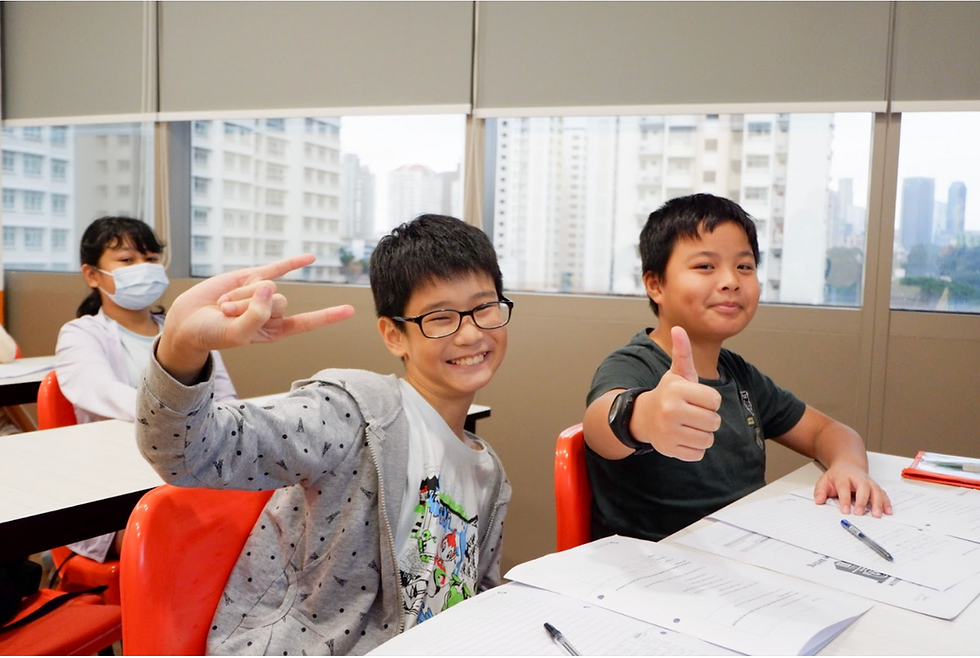
When a child refuses to do homework, the problem is often more complicated than simple laziness. Tiredness after school, fear of making mistakes, frustration, or difficulty understanding the assignment can all lead to resistance. A calm routine, a comfortable environment, and patient support can help reduce arguments and make homework feel more manageable. Once the schoolwork is finished, families can unwind together by checking Programme TV ce soir and choosing something enjoyable to watch.
This speaks directly to so Agario many parents! The 7pm homework battle is real and completely draining. I love how this article shifts the perspective from 'laziness' to understanding the underlying emotional or structural issues. Looking forward to the practical strategies to bring peace back to the dinner table!